Security Checklist for Warehouses and Industrial Plants in Kenya
Introduction
Warehouses and industrial plants in Kenya face some of the most serious security challenges of any commercial facility. Large inventories of goods, expensive machinery, heavy vehicle access points, and sprawling perimeters create numerous opportunities for theft, vandalism, and unauthorized access.
Whether you operate a logistics hub in Mombasa Road, a manufacturing plant in Athi River, or a storage facility in Thika, having a robust security plan is essential. This checklist will help you evaluate your current security posture and identify areas for improvement.
Why Warehouse and Industrial Security Demands Special Attention
Industrial facilities face unique risks that office buildings and retail shops do not:
- Large quantities of high-value goods stored in one location
- Multiple entry and exit points including loading bays and vehicle gates
- Extended operating hours including night shifts
- Frequent movement of staff, contractors, visitors, and vehicles
- Remote or semi-isolated locations with limited police presence
- Insider theft — employees or contractors stealing goods over time
A single security breach can result in millions of shillings in losses and significant disruption to operations.
The Comprehensive Warehouse Security Checklist
Section 1: Perimeter Security
- Is the entire perimeter enclosed with a boundary wall, fence, or electric fence?
- Are all perimeter lighting systems functional and covering blind spots?
- Is there a clearly defined and staffed main entrance and exit point?
- Are vehicle gates fitted with barriers, bollards, or spiked mats to prevent unauthorized entry?
- Is the perimeter monitored by CCTV cameras with night vision capability?
- Are there regular foot patrols along the perimeter, especially at night?
Section 2: Access Control
- Is there a formal visitor management system with sign-in registers?
- Are all vehicles logged in and out with registration numbers recorded?
- Do employees use access cards, biometric readers, or PIN codes to enter?
- Are contractor and delivery personnel issued temporary access passes?
- Are sensitive areas — such as server rooms and finance offices — separately secured?
- Is there a clear procedure for handling lost or stolen access credentials?
Section 3: CCTV and Surveillance
- Is CCTV coverage installed at all entry and exit points?
- Are cameras positioned to cover loading docks, storage aisles, and cash handling areas?
- Are cameras operational 24 hours a day, including during power outages?
- Is footage stored for a minimum of 30 days?
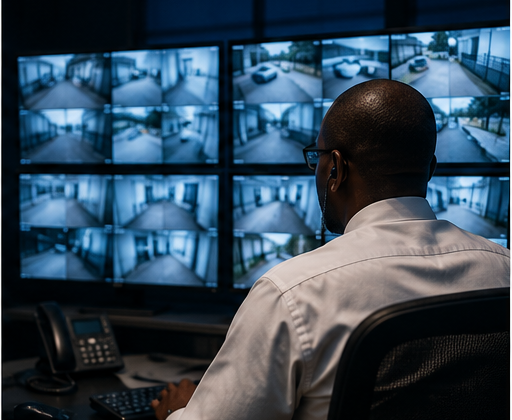
- Is there a designated person responsible for monitoring live footage?
- Are cameras positioned to minimize blind spots?
Section 4: Manned Guarding
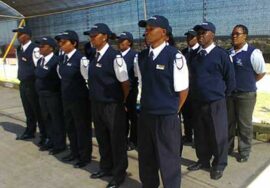
- Are trained security guards stationed at entry and exit points at all times?
- Do guards conduct regular patrols throughout the facility?
- Are guards equipped with radios or communication devices?
- Are shift handover logs maintained and reviewed?
- Are guards trained in fire safety and emergency evacuation procedures?
- Is there a supervisor or senior guard responsible for each shift?
Section 5: Inventory and Asset Protection
- Is there a formal system for tracking goods in and out of the facility?
- Are high-value items stored in separately secured areas with restricted access?
- Are regular stock counts conducted and discrepancies investigated?
- Are delivery vehicles inspected on arrival and departure?
- Is there a clear policy on staff bag searches or spot checks?
- Are loading and unloading activities supervised by a security guard?
Section 6: Fire Safety and Emergency Response
- Are fire detection systems (smoke detectors, heat sensors) installed throughout?
- Are fire extinguishers placed at regular intervals and serviced annually?
- Is there a written emergency evacuation plan posted and practiced?
- Are guards trained in first aid?
- Is there a direct line of communication with local fire brigade and police?
Section 7: Insider Threat Prevention
- Are background checks conducted on all employees before hiring?
- Are contractors and temporary workers vetted before being granted access?
- Is there a whistleblower or anonymous reporting mechanism in place?
- Are employees rotated across roles and areas to prevent familiarity exploitation?
- Are disciplinary procedures for theft and fraud clearly communicated?
How Bestcare Security Services Supports Industrial Facilities
Bestcare Security Services provides tailored security solutions for warehouses, manufacturing plants, and industrial facilities across Kenya, including:
- Professionally trained manned guards for 24/7 coverage
- CCTV installation, monitoring, and maintenance
- Electric fence installation and perimeter security
- Access control systems including biometric readers
- Regular security audits and risk assessments
- Mobile patrol services for large perimeters
Conclusion
Securing a warehouse or industrial plant in Kenya requires a multi-layered approach that combines physical barriers, technology, trained personnel, and strong internal policies. Use this checklist regularly to identify gaps and ensure your facility remains protected.